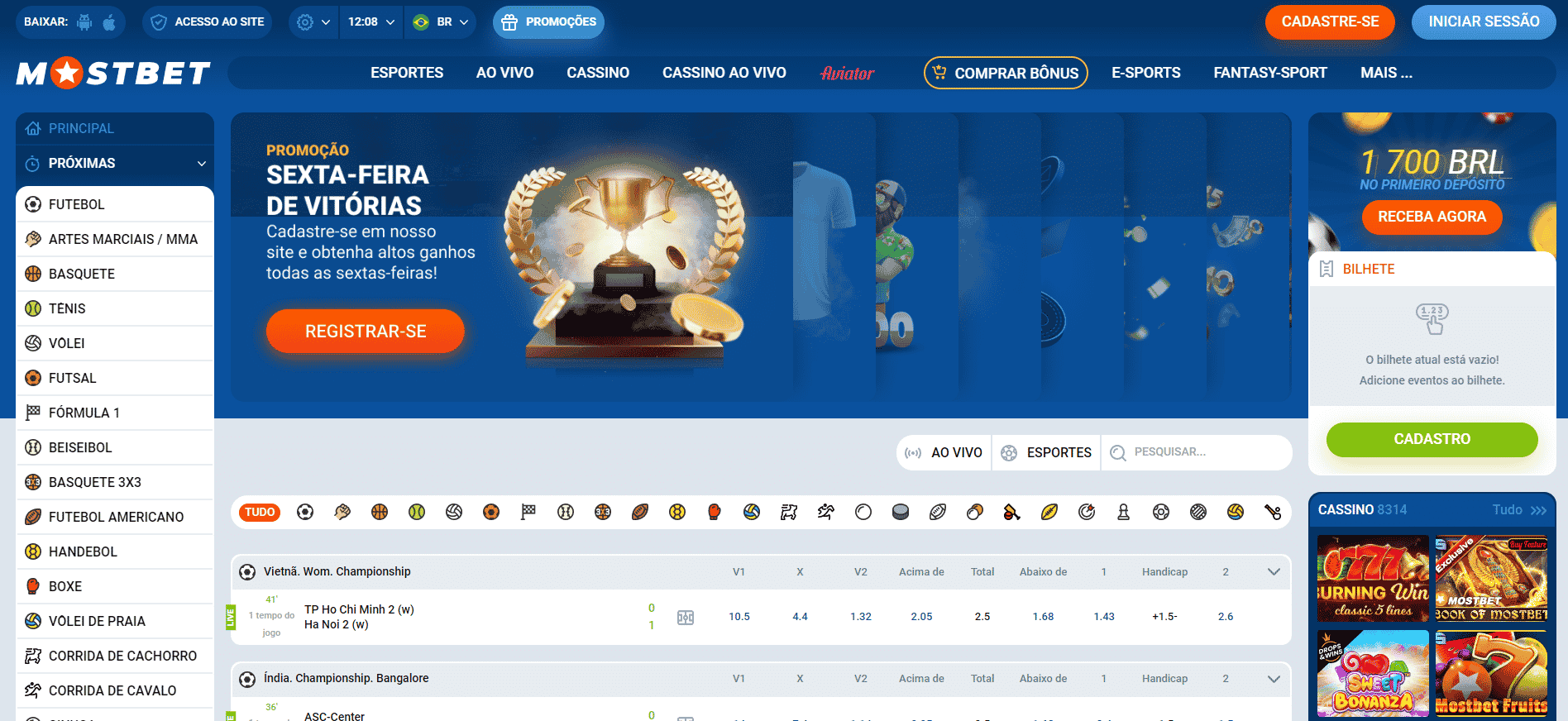
Le monde des casinos en ligne a évolué de manière spectaculaire au cours des dernières années, rendant le jeu plus accessible et excitant que jamais. Ces plateformes numériques permettent aux amateurs de jeux de casino de jouer à leurs jeux préférés depuis le confort de leur domicile, 24 heures sur 24 et 7 jours sur 7. Que vous soyez fan de machines à sous, de blackjack ou de roulette, les casinos en ligne offrent une variété de jeux adaptés à tous les goûts et niveaux d’expérience. L’attrait principal réside dans la commodité qu’ils offrent : vous pouvez placer des paris à tout moment, sans avoir besoin de vous déplacer. De plus, la concurrence entre les différents casinos en ligne a conduit à des offres promotionnelles attrayantes et à des bonus généreux, ce qui rend l’expérience de jeu encore plus agréable. Dans cet article, nous explorerons en profondeur ce que vous devez savoir sur les casinos en ligne, leurs caractéristiques, et comment maximiser votre expérience de jeu.
Les Avantages des Casinos en Ligne
Les casinos en ligne présentent une multitude d’avantages par rapport aux casinos terrestres traditionnels. Tout d’abord, la commodité est l’un des principaux atouts. Vous n’avez pas besoin de faire la queue, de réserver une table ou de vous habiller pour l’occasion. Tout se fait par quelques clics depuis chez vous. Ensuite, les casinos en ligne proposent souvent un plus grand choix de jeux. Alors que les casinos physiques peuvent être limités par l’espace, les plateformes en ligne peuvent héberger des milliers de jeux différents, allant des classiques aux nouveautés.
Accessibilité et Commodité
Une des raisons pour lesquelles les casinos en ligne connaissent un tel succès est l’accessibilité qu’ils offrent. Depuis n’importe quel appareil connecté à Internet, les joueurs peuvent accéder à leurs jeux préférés à tout moment.
Jouer où et quand vous voulez
Le fait de pouvoir jouer partout attire de nombreux joueurs. Que vous soyez chez vous, en voyage ou lors d’une pause au travail, les casinos en ligne vous permettent de profiter de votre temps libre. Cette flexibilité est particulièrement appréciée par ceux qui ont un emploi du temps chargé.
Sans restrictions d’emplacement
Les casinos physiques peuvent être limités en termes de localisation. Avec les casinos en ligne, peu importe où vous vous trouvez, tant que vous avez une connexion Internet, vous pouvez jouer. Cela ouvre la porte à des joueurs du monde entier, créant une communauté globale autour des jeux de casino.
Interface utilisateur et expérience de jeu
Les casinos en ligne investissent massivement dans l’expérience utilisateur. Les interfaces sont conçues pour être intuitives et attrayantes. Que vous soyez un novice ou un joueur aguerri, naviguer sur ces plateformes est généralement simple et agréable.
Une Varieté Illimitée de Jeux
Les casinos en ligne offrent une gamme impressionnante de jeux, souvent bien plus large que ce que l’on peut trouver dans un casino physique. Vous trouverez des jeux de table, des machines à sous, des jeux en direct, et bien plus encore.
Machines à sous pour tous les goûts
Les machines à sous sont sans doute les jeux les plus populaires dans les casinos en ligne. Avec des thèmes variés allant de la mythologie à des films célèbres, il y en a pour tous les goûts. De plus, les jeux à jackpot progressif peuvent offrir des gains impressionnants.
Jeux de table en ligne
Les jeux de table comme le blackjack, la roulette, et le poker sont bien représentés dans les casinos en ligne. Ces jeux offrent souvent des variantes qui rajoutent du piment à l’expérience, permettant aux joueurs de choisir le mode qui leur convient le mieux.
Jeux en direct pour une immersion totale
Pour ceux qui recherchent une expérience proche du vrai casino, les jeux en direct sont la solution idéale. Vous pouvez jouer avec de vrais croupiers en temps réel et interagir avec d’autres joueurs, créant ainsi une atmosphère sociale unique.
Les Bonus et Promotions
Les bonus et promotions constituent un autre attrait majeur des casinos en ligne. Ces offres peuvent varier d’un site à l’autre, mais elles sont généralement conçues pour attirer de nouveaux joueurs et fidéliser les clients existants.
Bonus de bienvenue
Le bonus de bienvenue est souvent la première chose que vous voyez en vous inscrivant sur un casino en ligne. Ces offres peuvent inclure un doublement de votre premier dépôt, ou même des tours gratuits sur des machines à sous. Cela fait un bon boost pour commencer votre aventure.
Promotions régulières
Une fois que vous êtes inscrit, de nombreux casinos offrent des promotions régulières. Cela peut inclure des bonus sur dépôt, des tirages au sort, ou des programmes de fidélité qui vous récompensent pour chaque euro parié.
Conditions de mise
Il est essentiel de prêter attention aux conditions de mise qui accompagnent les bonus. Cela détermine combien de fois vous devez miser le montant du bonus avant de pouvoir retirer vos gains. Comprendre ces exigences vous aidera à maximiser vos chances de gagner.
La Sécurité et la Réglementation
La sécurité est un aspect primordial lorsqu’il s’agit de jeux en ligne. Les joueurs doivent se sentir en sécurité en partageant leurs informations personnelles et financières sur les plateformes. Les casinos en ligne doivent donc suivre certaines réglementations strictes.
Licences de jeu
Un casino en ligne de confiance doit être titulaire d’une licence délivrée par une autorité compétente. Cela signifie qu’il est régulé et qu’il suit les lois en matière de jeu. Des organismes tels que l’Autorité des jeux de Malte ou l’UK Gambling Commission sont des exemples notables.
Technologie de cryptage
Pour protéger les données des joueurs, les casinos en ligne utilisent des technologies de cryptage avancées. Cela garantit que toutes les transactions et informations partagées sont sécurisées et privées. Assurez-vous que le casino utilise un protocole SSL pour une protection optimale.
Jeux équitables grâce à des générateurs de nombres aléatoires
Les jeux en ligne doivent utiliser des générateurs de nombres aléatoires (RNG) pour garantir que les résultats des jeux sont équitables et ne peuvent pas être manipulés. Cela renforce la confiance des joueurs dans le système.
Les Méthodes de Paiement
Les casinos en ligne proposent diverses méthodes de paiement pour faciliter les dépôts et les retraits. Il est crucial de choisir la méthode qui vous convient le mieux en termes de rapidité et de sécurité.
Dépôts instantanés
La plupart des casinos en ligne offrent des méthodes de dépôt instantanées, ce qui signifie que vous pouvez commencer à jouer immédiatement après avoir effectué votre premier dépôt. Les cartes de crédit, les portefeuilles électroniques et les virements bancaires sont souvent disponibles.
Retraits rapides
Tout aussi essentiel est le processus de retrait. Plusieurs casinos en ligne promettent des retraits rapides, souvent de l’ordre de 24 heures à quelques jours. Recherchez les méthodes les plus rapides telles que les portefeuilles électroniques, qui souvent traitent les transactions plus vite.
Frais de transaction
Il est également casino en ligne important d’examiner les frais associés aux méthodes de paiement. Certains casinos peuvent facturer des frais pour certains types de transactions, alors que d’autres tendent à offrir des services sans frais. Assurez-vous de vérifier ces détails avant de faire un choix.
Les Stratégies de Jeu
Le jeu en ligne peut être aussi amusant qu’il est risqué. Il est donc essentiel de développer une stratégie de jeu solide pour maximiser vos chances de succès.
Définir un budget
Quand vous commencez à jouer, il est crucial de définir un budget. Cela vous aide à garder le contrôle sur vos dépenses et à éviter les pertes importantes. Ne jouez jamais avec de l’argent que vous ne pouvez pas vous permettre de perdre.
Profiler votre jeu
Connaître les jeux que vous jouez peut vous donner un avantage. Par exemple, comprendre les règles du poker ou les stratégies de mise sur la roulette peut significativement affecter vos résultats. Investissez du temps pour apprendre et pratiquer.
Bonus et promotions à votre avantage
Utiliser intelligemment les bonus et promotions peut également augmenter vos chances de gagner. Profitez des tours gratuits pour tester de nouveaux jeux sans risque, et ne négligez pas les bonus de dépôt qui vous permettent de jouer plus longtemps.
Caractéristiques des Casinos en Ligne
| Caractéristique |
Description |
| Variété de jeux |
Des milliers de jeux disponibles, y compris des jeux de table, des machines à sous, et des jeux en direct. |
| Écrans multiples |
Jouez sur différents appareils comme ordinateurs portables, tablettes, et smartphones. |
| Support client |
Assistance par chat en direct, e-mail, et téléphone disponible 24/7. |
| Options de paiement variées |
Des dépôts et retraits via cartes de crédit, portefeuilles électroniques, et cryptomonnaies. |
| Sécurité renforcée |
Technologies de cryptage et licences de jeu pour garantir un environnement sûr. |
En somme, les casinos en ligne offrent une expérience de jeu diversifiée et passionnante qui continue d’évoluer. La combinaison de l’accessibilité, de la sécurité et de la variété des jeux attire de plus en plus de joueurs du monde entier.
Processus d’Inscription à un Casino en Ligne
- Choisir un casino en ligne fiable et bien noté.
- Cliquer sur le bouton d’inscription sur la page d’accueil.
- Remplir le formulaire d’inscription avec les informations requises.
- Confirmer votre compte via l’e-mail de vérification reçu.
- Faire un premier dépôt pour commencer à jouer.
- Profiter des bonus de bienvenue offerts.
Une fois inscrit, vous serez prêt à explorer tout ce que le casino en ligne a à offrir. N’oubliez pas de toujours jouer de manière responsable et dans les limites de votre budget.
Conclusion Générale
Les casinos en ligne ont révolutionné la façon dont nous percevons le jeu. Avec leur accessibilité, le large éventail de jeux, et la possibilité de jouer en toute sécurité depuis n’importe où, ils sont devenus une option incontournable pour les amateurs de jeux. Cependant, il est crucial d’aborder ce monde avec prudence et responsabilité. Établir un budget, connaître les jeux, et utiliser les bonus à bon escient sont autant de stratégies qui peuvent enrichir votre expérience tout en minimisant les risques.
En fin de compte, le jeu en ligne offre bien plus qu’une simple chance de gagner de l’argent. C’est une forme de divertissement qui peut apporter des moments de joie et de stimulation intellectuelle. Le plaisir, la stratégie, et les émotions du jeu en ligne créent une expérience qui continue de séduire des millions de joueurs à travers le monde. Alors, que vous soyez un novice ou un vétéran, les casinos en ligne vous attendent avec des jeux captivants et des opportunités passionnantes.
FAQ
Qu’est-ce qu’un casino en ligne ?
Un casino en ligne est une plateforme numérique qui offre des jeux de casino où les utilisateurs peuvent parier et gagner de l’argent réel.
Comment faire un dépôt dans un casino en ligne ?
Vous pouvez faire un dépôt par carte de crédit, portefeuille électronique, ou d’autres méthodes de paiement. Il suffit de suivre les instructions du site.
Les casinos en ligne sont-ils sûrs ?
Oui, tant qu’ils sont licenciés et regulés par des autorités compétentes. Recherchez des casinos avec un bon niveau de sécurité.
Quels types de jeux sont disponibles ?
Les casinos en ligne offrent une grande variété de jeux tels que les machines à sous, le poker, le blackjack, et des jeux en direct avec de vrais croupiers.
Que faire si j’ai un problème avec un casino en ligne ?
Contactez le service client via le chat en direct, l’e-mail, ou le téléphone pour résoudre tout problème ou répondre à vos questions.
Les gains d’un casino en ligne sont-ils imposables ?
Cela dépend de la législation de votre pays. Assurez-vous de vérifier les lois fiscales concernant les gains de jeu dans votre région.
Peut-on jouer gratuitement sur un casino en ligne ?
Oui, de nombreux casinos en ligne offrent la possibilité de jouer en mode gratuit pour essayer les jeux sans risque.
Comment retirer mes gains d’un casino en ligne ?
Pour effectuer un retrait, accédez à la section bancaire du casino, choisissez votre méthode de retrait, et suivez les instructions données.