
Best Sleep Apps of 2026: Expert Tested
We all know that alcohol negatively impacts the more restorative sleep phases, but the app told me I slept better. Was it just that I didn’t move as much, and my sleep quality did actually drop? If you want to assess your sleep at a glance, you can pull up your Readiness Score in the OURA app. Your Readiness Score tells you if you’re ready for the day ahead, or if you should focus on rest and recovery. It uses information from your sleep the night before, your activity the day before and a handful of other measures to help you make decisions about the upcoming day. There are hundreds of other conditions that can be traced back to poor sleep duration and quality.
About Mattress Clarity
If you don’t have an Apple Watch, you can still use Pillow by placing your phone or an iPad on your bed. The app will then rely on movement from your mattress to track your sleep. According to research, without more targeted tracking, Pillow tends to overestimate the amount of deep sleep you’re getting, something our testers noticed, too.
The best Samsung smartwatch for sleep tracking
As an example, the night before writing this, the Oura recorded 7 hrs 25 mins sleep and the Whoop 7 hrs 19 mins. My Fitbit seemed to go on strike, measuring just 6 hrs 45 mins, which I don’t believe because I feel good today, and don’t when I have that little sleep. That may be a good thing if you don’t want a bulky smart watch to distract you or get in the way, or a bad thing if you only want one device on your wrist and you need it to at least tell you the time. Finally, the battery, while good at 4-5 days life on average, can only be charged using the ring stand.
- While we use the term sleep tracker broadly, there are many different types of devices available.
- During the trial period, our testers didn’t change anything about their day-to-day routine to ensure trackers were capturing accurate data.
- Research has shown it achieves approximately 75-85% accuracy in sleep stage detection compared to PSG – higher than most wrist or ring-based options.
- No matter if you’re a casual sleeper or a data-driven biohacker, this guide will help you find the app that fits your lifestyle and sleep goals.
- Breathing exercises teach techniques for calming your nervous system, while relaxing music and nature sounds create an optimal audio environment for sleep.
- Some parts that wear out, like straps or batteries, may be replaceable, so you don’t have to purchase a whole new device.
Another huge plus is its fast-charging battery, which went from 0% to 100% in about 40 minutes. Other notable features include the watch’s 14-day battery life and water resistance rating of 5 atmospheres (ATM), meaning you can wear the device up to 164 feet underwater. Plus, the soft silicone band feels comfortable and lightweight, with a barely noticeable feel that’s ideal for all-day wear. We also like that the smart watch updates us on our progress toward our goals and sends encouraging messages to keep us motivated.
How we test the best sleep tracker
Right away, we were impressed by how the app analyzes all the data to find your estimated sleep need per night. What we were most surprised by was how accurate the app was when it came to predicting the time that we would hit an afternoon slump or feel less energetic. For example, if you didn’t want any narration, you could simply toggle it off. You could also adjust the volume between the soundscape and narration so one is softer than the one.
Types of Fitness Trackers and Watches

Our sleep experts have also tested the TempurPedic Tempur-Ergo Smart Base, Oxa Breathing Coach, Eight Sleep Pod 4, Apple Watch SE, Garmin Forerunner 45S and the Garmin Forerunner 965. These products didn’t make our list because of poor sleep-tracking performance or because they were beaten out by other models. In the case of Garmin, both watches mentioned have great sleep tracking capabilities but the price and extra features of the Garmin Forerunner 165 topped the other two models. The same can be said for the newest Eight Sleep Pod 4 — the older Pod 3 version has similar features for a better price. Doctors use PSG to diagnose sleep disorders, but the tests can be expensive, the equipment cumbersome, and the data gathered requires an in-lab evaluation by a specialist.
What we don’t like about the WHOOP 5.0
It is a priority for CBC to create products that are accessible to all in Canada including people with visual, hearing, motor and cognitive challenges. On Night 2, I followed the same prompts, logging some wine consumption this time. The following night, I was prompted to make a list of places I truly love for my Daily Reflection — I could also add photos if I wanted. I was also asked if I’d like to participate in the Daily Challenge, which was to create a mood board.
Sleep Tracker
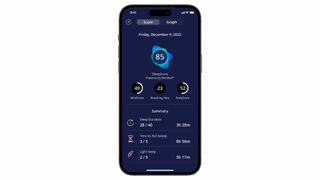
It’s also important to consider whether you want a free app, a premium version, or one that works without a wearable. Sleep Cycle’s smart alarm is designed to wake you during light sleep, which may help reduce grogginess and support a more alert feeling in the morning. It tracks sleep trends, time asleep, and the potential impact on sleep quality over weeks and months. Eve is a sleep tech product tester and writer at Tom’s Guide, covering everything from smart beds and sleep trackers, to sleep earbuds and sunrise alarm clocks. Eve is a PPA-accredited journalist with an MA in Magazine Journalism, and has four years’ experience writing features and news.
AutoSleep: The Best Choice for Apple Watch Users
For Tom’s Guide Becca writes about sleep health and techniques, with the aim of helping readers to sleep better each night. However, it also has an AI element (described by SleepWatch as an „AI-powered sleep assistant,“) which delivers customized suggestions and tips to help you improve your sleep. Katie has been writing about wellness-related topics, including sleep, for the last eight years. The first sleep story she wrote covered the best and worst foods to eat before bed. Her previous work madmuscles review reddit can be found in print and online publications like Discover Magazine, USA Today, Bustle and The Huffington Post. I downloaded the app in the afternoon, when I was nowhere near ready to go to sleep.
Fitbit Versa 4
More importantly, I found it to be very unreliable, often mistaking lying still in bed with being asleep. In the photo below, you can see how a typical daily sleep stage graph looks on my Eight Sleep app. More importantly, the app, biometric tracking, insights, and coaching of the Oura ring and Whoop 4.0 seem much more advanced and useful than the Fitbit to me now. The Whoop app does take quite a lot of time to get used to, however, For starters, they have main categories of recovery and strain, so you need to understand what those actually mean. Some of the graphs that open up in those sections are confusing, and require reading or watching guides to understand.
Scientific Insights and Peer-Reviewed Studies: Bridging Sleep Tracking with Biological Mechanisms
Why spend a fortune when you can get brilliant sleep insights for under £85? This clever little tracker packs serious sleep monitoring capabilities into a design so lightweight, you’ll forget you’re wearing it. Every paid plan starts with a 7-day free trial, though you’ll need to add payment details upfront. The free version gives you access to some meditations, breathing exercises, and a handful of sleep stories.