
Understanding OFAC Sanctioned Countries Implications and Overview
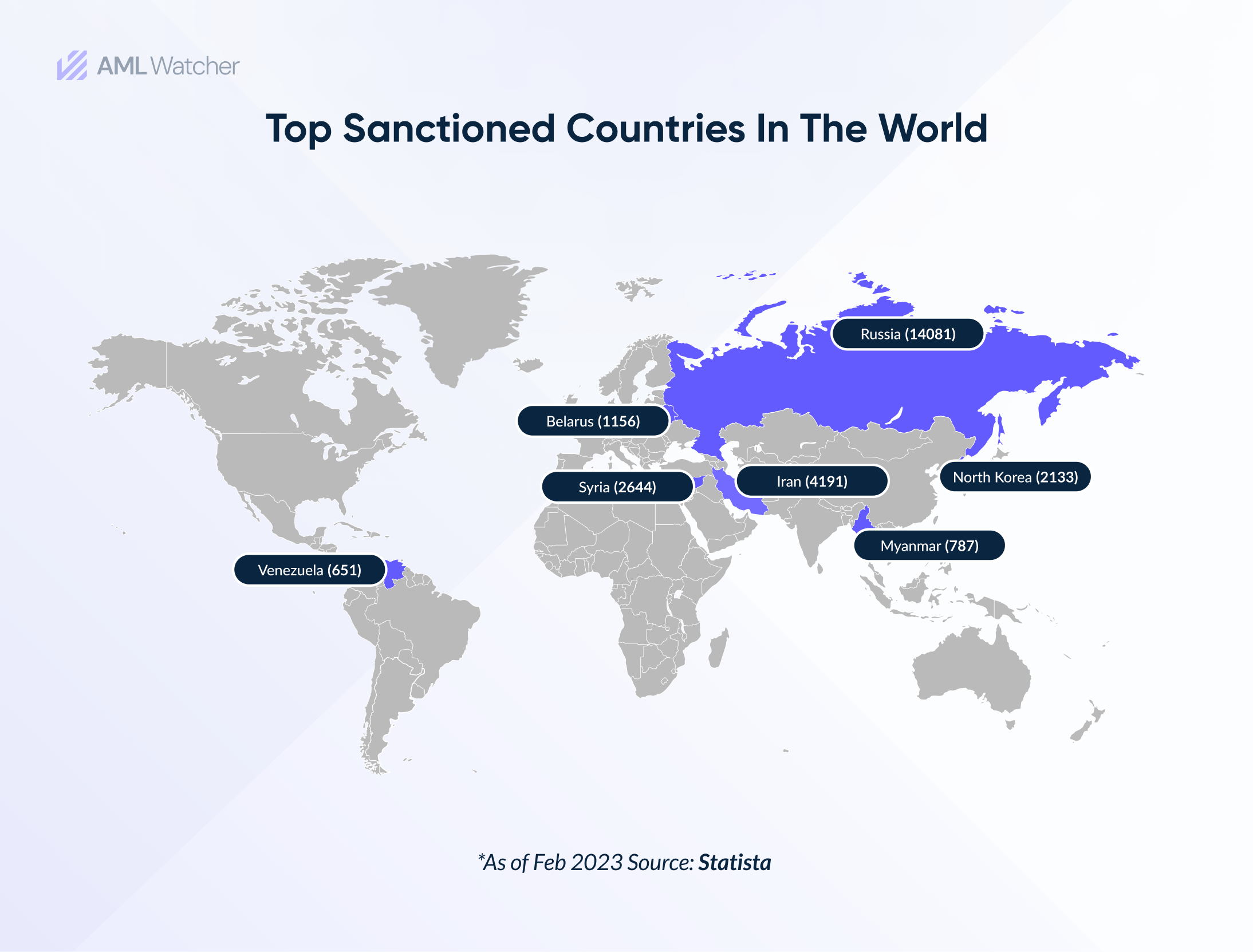
In recent years, the role of the U.S. Treasury Department’s Office of Foreign Assets Control (OFAC) has gained increased attention across the globe. The OFAC administers and enforces economic and trade sanctions based on U.S. foreign policy and national security goals. This article delves into the intricacies of OFAC sanctioned countries, highlighting their implications for businesses, individuals, and international relations.
Sanctions can take many forms, including economic restrictions, trade barriers, and prohibitions against investments and financial transactions. Countries may find themselves on the OFAC sanctions list for various reasons—ranging from national security threats to human rights violations. Understanding the nuances of these sanctions is essential for anyone looking to engage in international commerce or develop foreign policies.
The Purpose of OFAC Sanctions
The primary objective of OFAC sanctions is to achieve specific foreign policy and national security goals without resorting to military action. By placing sanctions on governments, organizations, or individuals, the U.S. aims to apply pressure that can lead to policy changes or behavioral corrections. For example, countries involved in terrorism, nuclear proliferation, or significant human rights abuses often find themselves subject to these sanctions.
Types of Sanctions
OFAC sanctions can be broadly categorized into two types: comprehensive and targeted sanctions. Comprehensive sanctions prohibit almost all trade and economic activity with a sanctioned country. In contrast, targeted sanctions may involve restrictions on specific entities or individuals rather than the entire nation. Targeted measures often include asset freezes, travel bans, and restrictions on certain types of financial transactions.
Comprehensive Sanctions
Comprehensive sanctions are often imposed on countries that the U.S. considers a threat to national security. For instance, countries like North Korea and Iran have faced such severe sanctions aimed at curtailing their nuclear ambitions and support for terrorism. These measures have wide-ranging effects that can disrupt the economy, limit opportunities for foreign investment, and create social unrest within the sanctioned countries.
Targeted Sanctions
Targeted sanctions may be deemed more favorable, as they focus on individuals or entities associated with objectionable behavior while allowing general commerce to continue with the broader population. For example, specific leaders or military officials of a country may face asset freezes and travel bans, while everyday citizens are not impacted directly by these measures.
Impact on International Trade
For businesses, navigating the complexities of OFAC sanctions is critical. Companies that engage in international trade must be aware of which countries are sanctioned and to what extent. Breaching these sanctions, whether knowingly or unknowingly, can result in hefty fines and reputational damage. Some businesses may choose to avoid sanctioned countries altogether, thereby limiting their market reach.
Compliance with OFAC regulations requires businesses to implement robust internal controls and conduct thorough due diligence. This often includes background checks on potential partners, careful monitoring of transaction flows, and maintaining accurate records to demonstrate compliance. The financial sector, in particular, faces heightened scrutiny, as banks and financial institutions must ensure that they do not facilitate transactions involving sanctioned entities.
The Role of Technology
In the age of digitization, technology plays a critical role in helping businesses comply with OFAC regulations. Advanced software solutions can help automate the process of screening transactions, identifying sanctioned entities, and monitoring changes in OFAC lists. These technological advancements contribute to reducing the risk of inadvertent violations and streamline compliance processes for companies engaged in international trade.
International Relations and Sanctions
The imposition of sanctions can significantly strain international relations. While sanctions are intended to pressure governments into changing their policies or behavior, they can also have adverse effects on diplomatic relations. Sanctioned countries may view these measures as acts of hostility, leading to a cycle of escalation and retaliation.
Additionally, countries may react to U.S.-led sanctions by strengthening ties with other nations that oppose these measures. For instance, countries like Russia and China have often come together in opposition to U.S. sanctions, exploring ways to bypass or mitigate their effects through alternative trade agreements and partnerships.
Future Trends in OFAC Sanctions
As global dynamics evolve, the scope and application of OFAC sanctions are likely to shift as well. Emerging threats, such as cyber warfare and climate change, may lead to new sanctions regimes aimed at countries or entities that pose risks in these areas. Moreover, the increasing interconnectedness of the global economy may complicate enforcement efforts, as sanctions need to be balanced with economic interests and humanitarian considerations.
Conclusion
Understanding OFAC sanctioned countries is vital for businesses, policymakers, and citizens alike. The implications of these sanctions extend far beyond legal compliance; they influence global trade, international relations, and the geopolitical landscape. As we move forward, staying informed about the evolving nature of sanctions and their impact on global affairs will be crucial for those engaged in international activities.

In conclusion, awareness and compliance with OFAC sanctions are not only legal obligations but also ethical responsibilities for those participating in global commerce. As the world continues to change, so too will the frameworks governing international relations and economic interactions.