Diseño y ambiente en casinos ¿Cómo influyen en la experiencia del jugador Chicken Road

La importancia del diseño en casinos

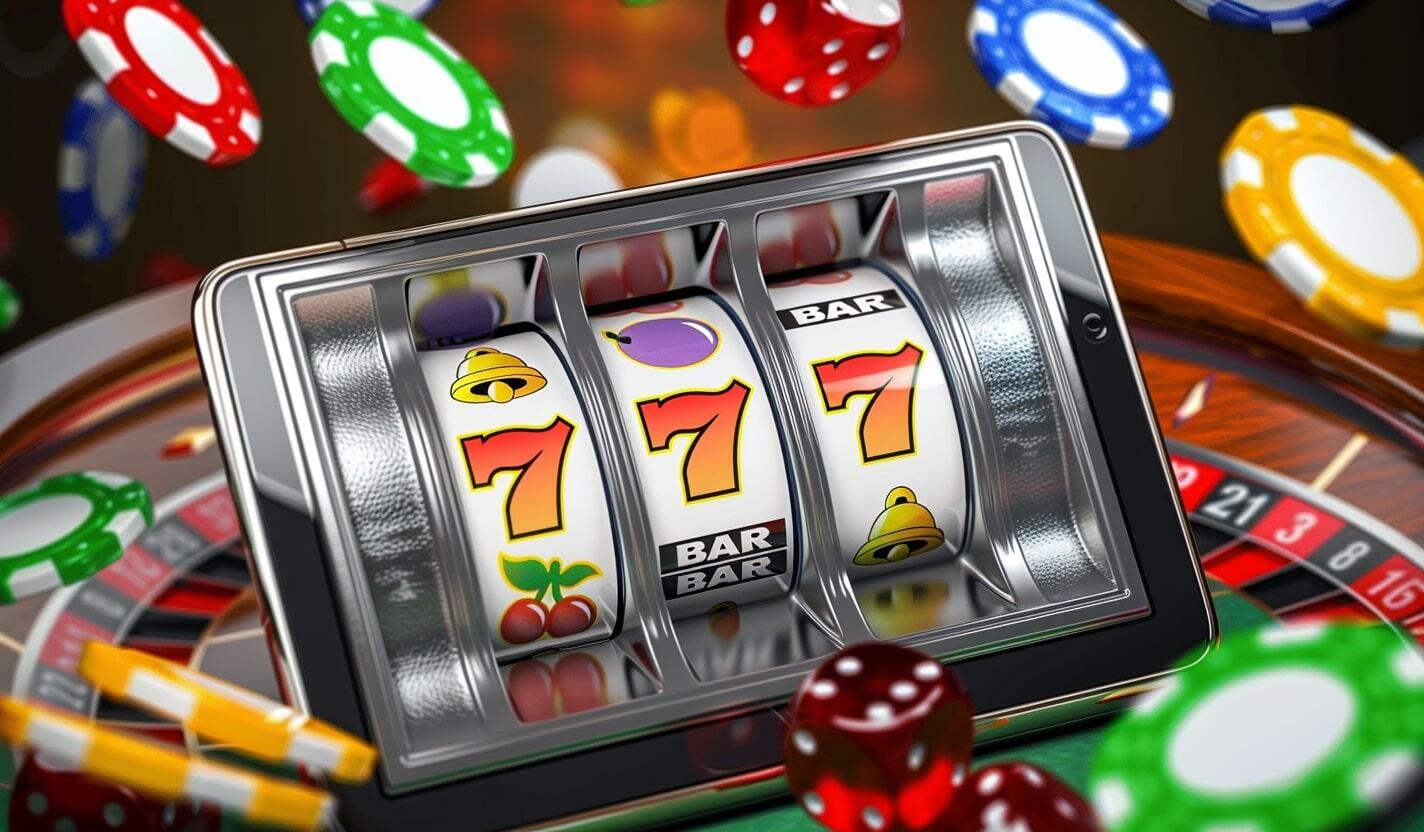
El diseño de un casino va más allá de la mera estética; se trata de crear un entorno que estimule los sentidos y genere una experiencia envolvente para el jugador. Colores vibrantes, iluminación adecuada y una disposición estratégica de las máquinas y mesas son elementos que influyen en cómo los jugadores perciben el espacio. Un diseño bien pensado puede incrementar la permanencia de los jugadores, lo que se traduce en mayores oportunidades de ganar, como en el emocionante juego de slot jugar chicken road.

La disposición del mobiliario y la señalización también juegan un papel crucial. Un casino que facilita la navegación y el acceso a los distintos juegos no solo mejora la experiencia del usuario, sino que también fomenta la exploración de nuevos juegos. En el caso de chicken road, donde los jugadores deben concentrarse en estrategias específicas para maximizar sus ganancias, un ambiente bien diseñado puede ser decisivo.

El ambiente sonoro en los casinos

El sonido es un componente vital en la experiencia del jugador en un casino. Las máquinas tragamonedas, como chicken road, están diseñadas para emitir sonidos de celebración, lo que provoca una respuesta emocional positiva. El ambiente sonoro de un casino puede intensificar la adrenalina y la emoción, haciendo que los jugadores se sientan más inmersos en el juego.

Además, el uso de música ambiental suave puede contribuir a que los jugadores se sientan relajados y cómodos, lo que les anima a jugar por más tiempo. Un balance adecuado entre sonidos de las máquinas y música ambiental puede crear un entorno ideal que aumente la satisfacción del jugador y, por ende, su tiempo de permanencia en el casino.

La experiencia visual y la estética

La estética visual de un casino es un factor determinante en la experiencia del jugador. Los elementos visuales deben estar alineados con la temática del juego, creando un ambiente coherente y atractivo. Chicken road, por ejemplo, utiliza gráficos coloridos y divertidos que no solo atraen a los jugadores, sino que también hacen que el proceso de jugar sea más entretenido.

Un casino que prioriza el diseño visual crea un espacio donde los jugadores se sienten atraídos y motivados a interactuar con más juegos. El uso de iluminación estratégica y decoraciones temáticas ayuda a transformar el casino en un lugar vibrante, que invita a los jugadores a explorar y experimentar diferentes opciones de juego.

Influencia del ambiente social en la experiencia del jugador

El ambiente social dentro de un casino también tiene un impacto significativo en la experiencia del jugador. La interacción con otros jugadores puede generar una sensación de comunidad, lo que enriquece el juego. En juegos como chicken road, donde los jugadores pueden compartir sus estrategias y experiencias, esta interacción puede mejorar la comprensión del juego y fomentar una competencia amistosa.

Un entorno donde los jugadores se sienten cómodos para socializar y compartir puede motivarlos a regresar. Esto no solo beneficia a los jugadores, sino que también potencia la reputación del casino como un lugar de diversión y camaradería, lo que a su vez puede incrementar la afluencia de nuevos visitantes.

El sitio web y su papel en la experiencia del jugador

En la era digital, el diseño y funcionalidad del sitio web de un casino son cruciales. Un sitio web intuitivo y atractivo puede hacer que los jugadores se sientan atraídos incluso antes de llegar al casino físico. En el caso de juegos como chicken road, tener una plataforma en línea bien diseñada permite a los jugadores practicar y familiarizarse con el juego antes de arriesgar dinero en un entorno real.

Además, el sitio web debe ofrecer información clara sobre las reglas del juego, promociones y oportunidades de ganar. Un casino que se preocupa por la experiencia del jugador tanto en su local como en su plataforma online está en una posición ideal para fomentar la lealtad y el entusiasmo de sus usuarios. Esto no solo amplía su base de clientes, sino que también enriquece la experiencia general del jugador.

The evolution of casinos tracing the journey from ancient gaming to modern resorts

The Ancient Origins of Gaming

The history of casinos dates back thousands of years, with evidence of gaming activities found in ancient civilizations such as Mesopotamia, China, and Egypt. Archaeological discoveries reveal that gambling was intertwined with various aspects of life, serving both as a source of entertainment and a way to test fortunes. Dice, the oldest gaming instruments, were used in countless games, laying the groundwork for future gaming traditions. Today, platforms like Propawin Casino continue this legacy of engaging players with a wide range of exciting games.

In ancient Rome, gaming was notably popular, with the government even regulating it to ensure fair play. The Romans introduced numerous games and betting practices, which influenced later European gaming establishments. This era marked the beginning of structured gaming as social events, setting the stage for the evolution of gambling into a more organized activity.

The Birth of Modern Casinos

The transition from informal gaming to established casinos began in the 17th century, particularly in Italy. The first official casino, the Ridotto, opened in Venice in 1638, providing a controlled environment for gambling, complete with set rules and regulations. This establishment introduced the idea of a dedicated space for gaming, paving the way for similar venues across Europe.

As the 18th century progressed, casinos began to spread across the continent, each adopting unique features that catered to local tastes and preferences. In France, the concept of the casino evolved to include not just gambling but also dining and entertainment, creating a more luxurious atmosphere that appealed to the elite. This period witnessed the development of games that are now casino staples, such as roulette and baccarat.

The Expansion into the Americas

The 19th century saw the establishment of casinos in the Americas, with New Orleans becoming a prominent hub for gambling. The unique blend of cultures in this city fostered a vibrant gaming scene, attracting players from diverse backgrounds. As gambling gained popularity, various forms of betting emerged, leading to the creation of new games tailored for the American audience.

The rise of Las Vegas in the mid-20th century marked a significant turning point for the casino industry. With a focus on entertainment, luxury, and glamour, Las Vegas transformed the perception of casinos from mere gambling establishments to comprehensive resorts. The iconic Strip became synonymous with opulence, offering a plethora of entertainment options alongside gaming, thus attracting millions of visitors each year.

The Digital Revolution and Online Gaming

The advent of the internet revolutionized the casino landscape in the late 20th and early 21st centuries. Online casinos emerged, allowing players to enjoy their favorite games from the comfort of their homes. This innovation democratized access to gambling, making it available to a broader audience and leading to the rapid growth of virtual gaming platforms.

Today, online casinos offer a vast array of games, including live dealer options that mimic the real casino experience. With advancements in technology, players can now enjoy seamless gameplay, secure transactions, and interactive experiences, further blurring the lines between traditional and digital gaming.

Modern Casinos and Their Features

Today’s casinos represent the pinnacle of luxury and entertainment, blending gaming with a range of amenities and attractions. Modern resorts often feature upscale dining, lavish hotels, spas, and live entertainment, creating an all-encompassing experience for guests. This evolution reflects the industry’s commitment to attracting diverse demographics and enhancing the overall gaming experience.

The integration of technology in modern casinos has also transformed how players engage with games. Mobile gaming apps and virtual reality experiences are becoming increasingly popular, allowing players to interact with games in innovative ways. As the industry continues to evolve, it embraces new trends and technologies, ensuring that the casino experience remains exciting and relevant for future generations.

High-stakes gaming Strategies for mastering the art of risk

Understanding Risk in High-stakes Gaming

High-stakes gaming is not just about luck; it’s a complex interplay of strategy, psychology, and risk management. To excel, players must grasp the concept of risk and its implications. Understanding the odds, potential losses, and rewards can drastically alter a player’s approach. High-stakes environments can amplify the intensity of these elements, making informed decision-making essential. Join the excitement at https://gransinocasinouk.com/ to experience it firsthand.

Players should develop a personal risk tolerance level, which dictates their betting and gameplay strategies. Knowing how much they can afford to lose without compromising their financial stability is crucial. By determining this threshold, players can engage more confidently in high-stakes scenarios, allowing them to focus on gameplay rather than anxiety about potential losses.

Strategic Betting Techniques

In high-stakes gaming, employing strategic betting techniques is vital. One effective method is the „progressive betting system,“ where players increase their bets after wins and decrease them after losses. This approach can help manage bankroll and optimize winnings over time. Understanding when to double down or play conservatively can make a significant difference in the outcome of a game.

Moreover, players should take the time to analyze their opponents‘ betting patterns. Observing how others play can provide insights into their strategies, allowing a player to adjust their tactics accordingly. This analytical approach can lead to more successful decision-making in high-stakes environments.

The Role of Psychology in Gaming

Psychology plays a critical role in high-stakes gaming. Players must maintain composure under pressure, as emotions can cloud judgment and lead to costly mistakes. Techniques such as mindfulness and visualization can help players stay focused and calm, which is especially beneficial in high-stakes situations where the stakes are exceptionally high.

Additionally, understanding psychological tactics can enhance gameplay. Recognizing when to bluff or when to fold based on psychological cues from opponents can create advantageous situations. Building emotional intelligence allows players to navigate the complexities of high-stakes environments more effectively.

Technology and Its Impact on Modern Gaming

The advancement of technology has revolutionized high-stakes gaming, offering players tools that enhance strategy and decision-making. Online platforms now provide access to real-time data, analytics, and player tracking systems, enabling more informed choices. This tech-driven approach allows players to refine their strategies and adapt to changing conditions quickly.

Moreover, the introduction of live dealer options adds a unique dimension to high-stakes gaming. This immersive experience combines the excitement of in-person gaming with the convenience of online platforms. Players can interact with live dealers and other players, making the experience feel more authentic and engaging.

Discover Gransino Casino for Your Gaming Adventure

Gransino Casino offers an unparalleled online gaming experience, perfect for high-stakes enthusiasts. With a diverse selection of over 800 games, including thrilling slots and interactive table games, players can find opportunities that suit their strategic preferences. The platform’s commitment to security and compliance ensures a fair and safe gaming environment, allowing players to focus on mastering their craft.

The user-friendly interface and 24/7 customer support further enhance the experience, making it easy for players to navigate the platform and access their accounts. Whether you are looking to refine your strategies or simply enjoy high-stakes gaming, Gransino Casino provides a vibrant community and top-notch entertainment for all players.

Coronavirus disease 2019

COVID-19 is a contagious disease caused by the coronavirus SARS-CoV-2. In January 2020, the disease spread worldwide, resulting in the COVID-19 pandemic.

The symptoms of COVID‑19 can vary but often include fever,[7] fatigue, cough, breathing difficulties, loss of smell, and loss of taste.[8][9][10] Symptoms may begin one to fourteen days after exposure to the virus. At least a third of people who are infected do not develop noticeable symptoms.[11][12] Of those who develop symptoms noticeable enough to be classified as patients, most (81%) develop mild to moderate symptoms (up to mild pneumonia), while 14% develop severe symptoms (dyspnea, hypoxia, or more than 50% lung involvement on imaging), and 5% develop critical symptoms (respiratory failure, shock, or multiorgan dysfunction).[13] Older people have a higher risk of developing severe symptoms. Some complications result in death. Some people continue to experience a range of effects (long COVID) for months or years after infection, and damage to organs has been observed.[14] Multi-year studies on the long-term effects are ongoing.[15]

COVID‑19 transmission occurs when infectious particles are breathed in or come into contact with the eyes, nose, or mouth. The risk is highest when people are in close proximity, but small airborne particles containing the virus can remain suspended in the air and travel over longer distances, particularly indoors. Transmission can also occur when people touch their eyes, nose, or mouth after touching surfaces or objects that have been contaminated by the virus. People remain contagious for up to 20 days and can spread the virus even if they do not develop symptoms.[16]

Testing methods for COVID-19 to detect the virus’s nucleic acid include real-time reverse transcription polymerase chain reaction (RT‑PCR),[17][18] transcription-mediated amplification,[17][18][19] and reverse transcription loop-mediated isothermal amplification (RT‑LAMP)[17][18] from a nasopharyngeal swab.[20]

Several COVID-19 vaccines have been approved and distributed in various countries, many of which have initiated mass vaccination campaigns. Other preventive measures include physical or social distancing, quarantining, ventilation of indoor spaces, use of face masks or coverings in public, covering coughs and sneezes, hand washing, and keeping unwashed hands away from the face. While drugs have been developed to inhibit the virus, the primary treatment is still symptomatic, managing the disease through supportive care, isolation, and experimental measures.

Coronavirus disease 2019

COVID-19 is a contagious disease caused by the coronavirus SARS-CoV-2. In January 2020, the disease spread worldwide, resulting in the COVID-19 pandemic.

The symptoms of COVID‑19 can vary but often include fever,[7] fatigue, cough, breathing difficulties, loss of smell, and loss of taste.[8][9][10] Symptoms may begin one to fourteen days after exposure to the virus. At least a third of people who are infected do not develop noticeable symptoms.[11][12] Of those who develop symptoms noticeable enough to be classified as patients, most (81%) develop mild to moderate symptoms (up to mild pneumonia), while 14% develop severe symptoms (dyspnea, hypoxia, or more than 50% lung involvement on imaging), and 5% develop critical symptoms (respiratory failure, shock, or multiorgan dysfunction).[13] Older people have a higher risk of developing severe symptoms. Some complications result in death. Some people continue to experience a range of effects (long COVID) for months or years after infection, and damage to organs has been observed.[14] Multi-year studies on the long-term effects are ongoing.[15]

COVID‑19 transmission occurs when infectious particles are breathed in or come into contact with the eyes, nose, or mouth. The risk is highest when people are in close proximity, but small airborne particles containing the virus can remain suspended in the air and travel over longer distances, particularly indoors. Transmission can also occur when people touch their eyes, nose, or mouth after touching surfaces or objects that have been contaminated by the virus. People remain contagious for up to 20 days and can spread the virus even if they do not develop symptoms.[16]

Testing methods for COVID-19 to detect the virus’s nucleic acid include real-time reverse transcription polymerase chain reaction (RT‑PCR),[17][18] transcription-mediated amplification,[17][18][19] and reverse transcription loop-mediated isothermal amplification (RT‑LAMP)[17][18] from a nasopharyngeal swab.[20]

Several COVID-19 vaccines have been approved and distributed in various countries, many of which have initiated mass vaccination campaigns. Other preventive measures include physical or social distancing, quarantining, ventilation of indoor spaces, use of face masks or coverings in public, covering coughs and sneezes, hand washing, and keeping unwashed hands away from the face. While drugs have been developed to inhibit the virus, the primary treatment is still symptomatic, managing the disease through supportive care, isolation, and experimental measures.

Coronavirus disease 2019

COVID-19 is a contagious disease caused by the coronavirus SARS-CoV-2. In January 2020, the disease spread worldwide, resulting in the COVID-19 pandemic.

The symptoms of COVID‑19 can vary but often include fever,[7] fatigue, cough, breathing difficulties, loss of smell, and loss of taste.[8][9][10] Symptoms may begin one to fourteen days after exposure to the virus. At least a third of people who are infected do not develop noticeable symptoms.[11][12] Of those who develop symptoms noticeable enough to be classified as patients, most (81%) develop mild to moderate symptoms (up to mild pneumonia), while 14% develop severe symptoms (dyspnea, hypoxia, or more than 50% lung involvement on imaging), and 5% develop critical symptoms (respiratory failure, shock, or multiorgan dysfunction).[13] Older people have a higher risk of developing severe symptoms. Some complications result in death. Some people continue to experience a range of effects (long COVID) for months or years after infection, and damage to organs has been observed.[14] Multi-year studies on the long-term effects are ongoing.[15]

COVID‑19 transmission occurs when infectious particles are breathed in or come into contact with the eyes, nose, or mouth. The risk is highest when people are in close proximity, but small airborne particles containing the virus can remain suspended in the air and travel over longer distances, particularly indoors. Transmission can also occur when people touch their eyes, nose, or mouth after touching surfaces or objects that have been contaminated by the virus. People remain contagious for up to 20 days and can spread the virus even if they do not develop symptoms.[16]

Testing methods for COVID-19 to detect the virus’s nucleic acid include real-time reverse transcription polymerase chain reaction (RT‑PCR),[17][18] transcription-mediated amplification,[17][18][19] and reverse transcription loop-mediated isothermal amplification (RT‑LAMP)[17][18] from a nasopharyngeal swab.[20]

Several COVID-19 vaccines have been approved and distributed in various countries, many of which have initiated mass vaccination campaigns. Other preventive measures include physical or social distancing, quarantining, ventilation of indoor spaces, use of face masks or coverings in public, covering coughs and sneezes, hand washing, and keeping unwashed hands away from the face. While drugs have been developed to inhibit the virus, the primary treatment is still symptomatic, managing the disease through supportive care, isolation, and experimental measures.

Coronavirus disease 2019

COVID-19 is a contagious disease caused by the coronavirus SARS-CoV-2. In January 2020, the disease spread worldwide, resulting in the COVID-19 pandemic.

The symptoms of COVID‑19 can vary but often include fever,[7] fatigue, cough, breathing difficulties, loss of smell, and loss of taste.[8][9][10] Symptoms may begin one to fourteen days after exposure to the virus. At least a third of people who are infected do not develop noticeable symptoms.[11][12] Of those who develop symptoms noticeable enough to be classified as patients, most (81%) develop mild to moderate symptoms (up to mild pneumonia), while 14% develop severe symptoms (dyspnea, hypoxia, or more than 50% lung involvement on imaging), and 5% develop critical symptoms (respiratory failure, shock, or multiorgan dysfunction).[13] Older people have a higher risk of developing severe symptoms. Some complications result in death. Some people continue to experience a range of effects (long COVID) for months or years after infection, and damage to organs has been observed.[14] Multi-year studies on the long-term effects are ongoing.[15]

COVID‑19 transmission occurs when infectious particles are breathed in or come into contact with the eyes, nose, or mouth. The risk is highest when people are in close proximity, but small airborne particles containing the virus can remain suspended in the air and travel over longer distances, particularly indoors. Transmission can also occur when people touch their eyes, nose, or mouth after touching surfaces or objects that have been contaminated by the virus. People remain contagious for up to 20 days and can spread the virus even if they do not develop symptoms.[16]

Testing methods for COVID-19 to detect the virus’s nucleic acid include real-time reverse transcription polymerase chain reaction (RT‑PCR),[17][18] transcription-mediated amplification,[17][18][19] and reverse transcription loop-mediated isothermal amplification (RT‑LAMP)[17][18] from a nasopharyngeal swab.[20]

Several COVID-19 vaccines have been approved and distributed in various countries, many of which have initiated mass vaccination campaigns. Other preventive measures include physical or social distancing, quarantining, ventilation of indoor spaces, use of face masks or coverings in public, covering coughs and sneezes, hand washing, and keeping unwashed hands away from the face. While drugs have been developed to inhibit the virus, the primary treatment is still symptomatic, managing the disease through supportive care, isolation, and experimental measures.

Manfaat dan Risiko Terlibat dalam Permainan Judi Online

Memahami Permainan Judi Online

Permainan judi online telah menjadi salah satu bentuk hiburan yang populer di kalangan banyak orang. Dengan kemajuan teknologi, para pemain dapat menikmati berbagai jenis permainan, mulai dari poker, roulette, hingga olympus slot, semua dapat diakses melalui perangkat digital. Fenomena ini tidak hanya memberikan kesenangan, tetapi juga menciptakan industri yang besar dan menguntungkan.

Di balik popularitasnya, penting untuk memahami bahwa judi online memiliki sifat yang sangat berisiko. Meskipun banyak yang tertarik dengan prospek kemenangan besar, para pemain juga harus menyadari potensi kerugian yang bisa terjadi. Oleh karena itu, pemahaman yang baik tentang kedua sisi ini sangat penting untuk para pemain yang ingin terlibat di dalamnya.

Manfaat Bermain Judi Online

Salah satu manfaat utama dari permainan judi online adalah kenyamanan yang ditawarkannya. Pemain dapat bermain dari mana saja dan kapan saja tanpa harus menghadiri kasino fisik. Ini sangat menguntungkan bagi mereka yang memiliki kesibukan atau tinggal jauh dari lokasi perjudian. Selain itu, banyak situs judi online menawarkan bonus dan promosi yang menarik untuk meningkatkan modal permainan.

Permainan judi online juga dapat menjadi sarana untuk bersosialisasi dan bersenang-senang. Banyak platform menyediakan fitur chat atau ruang obrolan, di mana pemain dapat berinteraksi dengan pemain lain. Interaksi ini tidak hanya menambah kesenangan tetapi juga menciptakan komunitas di sekitar permainan, membuat pengalaman bermain lebih eksklusif dan interaktif.

Risiko yang Harus Diketahui

Di sisi lain, terlibat dalam permainan judi online juga mengandung berbagai risiko. Salah satu risiko terbesar adalah kecanduan. Judi dapat dengan cepat berubah dari hiburan menjadi kebutuhan, dan ini bisa berdampak negatif pada kehidupan pribadi, keuangan, dan hubungan sosial. Penting bagi para pemain untuk menjaga batas dan menyadari tanda-tanda kecanduan yang mungkin muncul.

Selain itu, risiko finansial juga tak dapat diabaikan. Meskipun ada kemungkinan untuk menang besar, banyak pemain yang juga mengalami kerugian signifikan. Tanpa manajemen keuangan yang baik, pemain bisa terjebak dalam utang atau kehilangan semua tabungan mereka hanya dalam waktu singkat. Oleh karena itu, bijaklah dalam menetapkan anggaran dan menghindari pertaruhan lebih dari yang mampu Anda rugikan.

Mengetahui Seluk-beluk Judi Online

Penting untuk selalu melakukan riset sebelum memilih platform judi online. Pastikan untuk memilih situs yang tepercaya dan memiliki lisensi resmi. Selain itu, baca ulasan dan rekomendasi dari pemain lain untuk mendapatkan gambaran yang lebih jelas tentang reputasi situs tersebut. Ini dapat mengurangi risiko penipuan dan memastikan bahwa pengalaman bermain Anda aman.

Di samping itu, banyak situs judi online juga menawarkan informasi dan sumber daya yang dapat membantu pemain mengelola permainan mereka dengan lebih baik. Misalnya, beberapa platform menyediakan alat untuk menetapkan batasan harian atau mingguan, yang bisa sangat berguna untuk mencegah kecanduan. Memanfaatkan sumber daya ini dapat meningkatkan pengalaman bermain judi online.

Navigating the Unknown Landscape of Gambling

The Evolution of Gambling

From ancient times to the modern digital sphere, gambling has undergone a remarkable transformation. Initially rooted in simple games of chance, it has evolved into a multi-faceted industry encompassing everything from traditional casinos to online gaming platforms. The introduction of technology has played a crucial role in shaping these changes, allowing for innovative gaming experiences and reaching wider audiences.

In earlier centuries, gambling was frequently associated with social gatherings, where individuals engaged in games of skill and chance. However, as society advanced, the need for regulation emerged to address ethical concerns and ensure responsible gambling. Today, many nations have established frameworks that govern the gaming industry, balancing the interests of both players and operators, while platforms like taya365 have contributed to this evolution.

The Psychological Aspects of Gambling

Understanding the psychological elements behind gambling is integral to navigating its complex landscape. Many people are drawn to gambling due to the thrill of risk and the potential for substantial rewards. This excitement can foster a powerful emotional response, leading individuals to become engrossed in the experience.

However, this allure may have darker implications, as some individuals may develop compulsive behaviors that lead to gambling addiction. It is essential for both players and stakeholders in the industry to be aware of the signs of addiction and implement preventive measures. Resources dedicated to responsible gambling can help mitigate these risks and promote healthier gaming habits.

The Impact of Online Gambling

The rise of online gambling has significantly altered the way individuals engage with gaming. With the advent of smartphones and high-speed internet, players are no longer confined to physical venues; instead, they can access their favorite games from the comfort of home or on the go. This convenience has contributed to an exponential growth in the online gambling sector.

While online platforms offer unprecedented accessibility, they also come with unique challenges. The potential for anonymity can lead to irresponsible behavior, and the absence of face-to-face interaction may diminish the social aspect of traditional gambling. Operators must prioritize user protection and responsible gaming practices to foster a safe environment for their clients.

Resources for Responsible Gambling

As gambling becomes increasingly prevalent, the importance of resources dedicated to responsible gambling also grows. Many organizations focus on educating players about the risks associated with gambling and providing tools to help mitigate those risks. These resources often include self-assessment tools, helplines, and forums where individuals can share their experiences and seek advice.

By promoting awareness and accessibility to these resources, the gambling industry can cultivate a healthier atmosphere for players. Those engaged in gaming should always be aware of their limits and understand that while gambling can be entertaining, it should never come at the expense of personal well-being or financial stability.

Our Commitment to Safe Gambling

At our website, we are deeply committed to navigating the shifting terrain of gambling with an emphasis on safety and responsibility. We provide a wealth of information and resources to empower players in making informed choices. Our goal is to enhance the gaming experience while prioritizing player wellbeing and responsible practices.

With a team of experts dedicated to researching and analyzing trends in the gambling landscape, we offer insights and support that players can trust. Engaging with our platform means gaining access to knowledge that promotes healthy gaming habits, helping individuals enjoy gambling as a form of entertainment while minimizing risks associated with it.

Die Faszination des Glücksspiels Chancen und Risiken in der digitalen Welt

Die Anziehungskraft des Glücksspiels

Glücksspiel hat seit Jahrhunderten Menschen in seinen Bann gezogen. Die Spannung des Gewinnens, das Nervenkitzel eines riskanten Setzens und die Vorstellung, ein Leben in Luxus zu führen, sind nur einige der Faktoren, die die Faszination des Spiels ausmachen. In der digitalen Welt hat sich diese Anziehungskraft nochmals verstärkt. Online-Casinos und Wettplattformen ermöglichen es den Spielern, jederzeit und überall zu spielen, was den Zugang zum Glücksspiel erheblich erleichtert. Besonders Plattformen wie ego-game.at bieten eine Vielzahl von Möglichkeiten.

Zusätzlich bieten digitale Plattformen ein vielfältiges Angebot an Spielen. Von klassischen Kartenspielen bis zu modernen Spielautomaten – die Möglichkeiten sind schier endlos. Diese Vielfalt spricht nicht nur erfahrene Spieler an, sondern auch Neulinge, die die Welt des Glücksspiels entdecken möchten. Die ansprechenden Grafiken und interaktiven Elemente sorgen dafür, dass das Spielerlebnis noch intensiver wird.

Chancen des digitalen Glücksspiels

Die Digitalisierung des Glücksspiels hat zahlreiche Chancen eröffnet. Ein wesentlicher Vorteil ist die Verfügbarkeit von Boni und Promotions, die Online-Casinos oft anbieten. Diese Anreize können Spielern helfen, mehr aus ihrem Geld herauszuholen und die Spielerfahrung zu verbessern. Ein weiterer Aspekt ist die Möglichkeit, verschiedene Spielstile und Strategien auszuprobieren, ohne dafür in ein traditionelles Casino reisen zu müssen.

Darüber hinaus ermöglicht die digitale Welt ein schnelles und intuitives Spielen. Mit nur wenigen Klicks können Spieler sofort an ihren Lieblingsspielen teilnehmen. Die sozialen Aspekte des Glücksspiels wurden ebenfalls optimiert; viele Plattformen integrieren Chats und Multiplayer-Optionen, wodurch das Gemeinschaftsgefühl verstärkt wird und Spieler miteinander in Kontakt treten können.

Risiken des Glücksspiels in der digitalen Welt

Trotz aller Chancen birgt das Glücksspiel in der digitalen Welt auch erhebliche Risiken. Die Anonymität und Zugänglichkeit von Online-Casinos können dazu führen, dass Spieler schneller impulsive Entscheidungen treffen. Dies kann in einer Spielsucht enden, die oft schwer zu überwinden ist. Das Fehlen physischer Grenzen kann das Risiko von übermäßigem Spielen erhöhen, was sowohl finanzielle als auch psychische Konsequenzen haben kann.

Zudem gibt es viele unseriöse Anbieter im Internet, die es den Spielern schwer machen, zwischen vertrauenswürdigen und betrügerischen Plattformen zu unterscheiden. Fehlende Regulierung kann dazu führen, dass Spieler nicht nur um ihr Geld, sondern auch um ihre persönliche Sicherheit bangen müssen. Daher ist es wichtig, sich gut zu informieren und verantwortungsvoll zu spielen.

Verantwortungsvolles Spielen und Aufklärung

In der heutigen Zeit ist verantwortungsvolles Spielen unerlässlich. Es gibt zahlreiche Organisationen, die sich mit der Aufklärung über Spielsucht beschäftigen und Hilfestellungen anbieten. Diese Initiativen sind entscheidend, um Spielern zu helfen, die Kontrolle über ihr Spielverhalten zu behalten. Online-Plattformen setzen zunehmend auf Werkzeuge zur Selbstbeschränkung, um den Nutzern dabei zu helfen, ihre Spielziele zu erreichen.

Ein informierter Spieler ist ein sicherer Spieler. Aufklärung über die Risiken und Chancen sowie Strategien zur Minimierung von Verlusten können dazu beitragen, das Glücksspiel verantwortungsbewusster zu gestalten. Es liegt an jedem Einzelnen, sich mit den Risiken auseinanderzusetzen und bewusst Entscheidungen zu treffen, um die Freude am Glücksspiel zu bewahren, ohne die Kontrolle zu verlieren.

Über unsere Webseite

Unsere Webseite bietet Ihnen umfassende Informationen über das Glücksspiel in der digitalen Welt. Wir legen großen Wert darauf, sowohl Chancen als auch Risiken objektiv darzustellen, um unseren Lesern ein ausgewogenes Bild zu vermitteln. Zudem haben wir zahlreiche Ressourcen und Links zur Verfügung, die Ihnen helfen, mehr über verantwortungsvolles Spielen zu lernen.

Ob Sie ein erfahrener Spieler sind oder gerade erst anfangen, bei uns finden Sie wertvolle Hinweise und Tipps, um sicher und gesund im Bereich Glücksspiel zu navigieren. Unser Ziel ist es, Ihnen nicht nur spannende Inhalte zu bieten, sondern auch eine Plattform für den Austausch über Erfahrungen und Wissen rund um das Thema Glücksspiel zu schaffen.