
Comprehensive Guidance on Belarus Sanctions for Businesses

Comprehensive Guidance on Belarus Sanctions for Businesses
As businesses increasingly operate in a global environment, understanding and adhering to international sanctions becomes vital. The Belarus sanctions guidance provides critical insights into the legal obligations faced by entities engaged in trade or investment activities involving Belarus. This article outlines the key aspects of these sanctions, focusing on compliance, best practices, and strategic considerations.
Understanding the Context of Belarus Sanctions
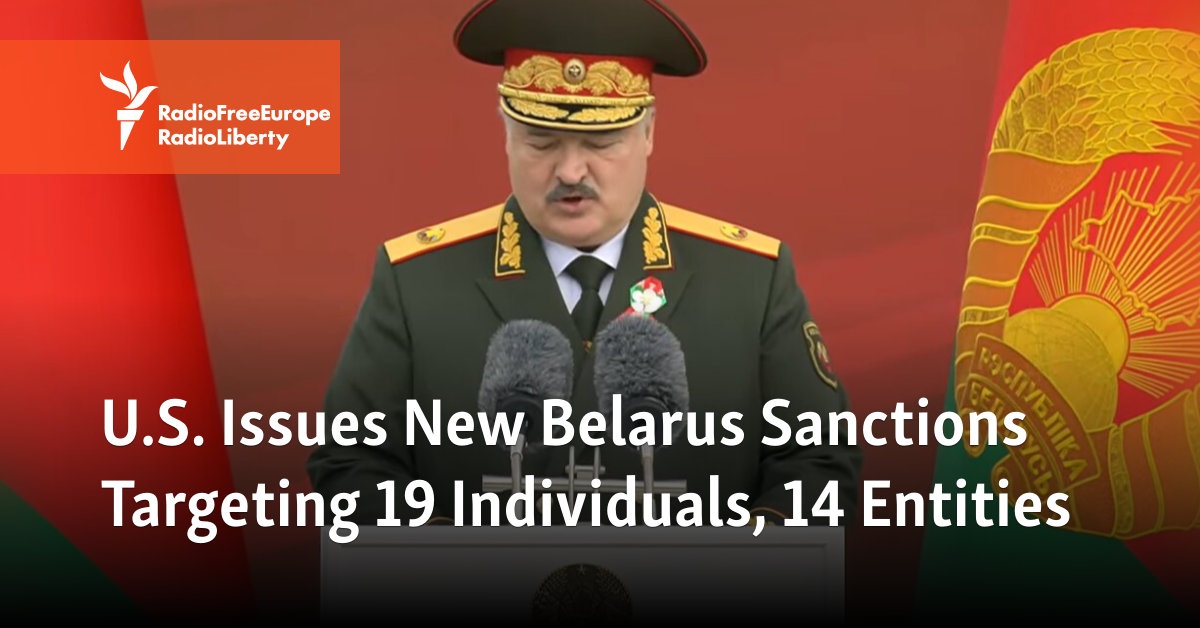
The imposition of sanctions on Belarus is primarily a response to the country’s political climate, especially concerning human rights abuses and political repression. The European Union, the United States, and various international bodies have enacted measures to limit economic engagement with Belarus, aiming to pressure its government to restore democratic norms. These sanctions are not only political statements; they carry significant legal implications for businesses operating in or with Belarus.
Types of Sanctions Imposed on Belarus
Sanctions against Belarus can be categorized into several types:
- Economic Sanctions: These restrict trade with specific sectors of the Belarusian economy, including finance, energy, and defense.
- Sectoral Sanctions: Target specific industries that are critical to the Belarusian government’s operation.
- Individual Sanctions: Asset freezes and travel bans on specific individuals associated with the regime.
- Export Controls: Restrictions on the export of goods and technology that could be used for repression.
Legal Obligations for Businesses
Companies engaging with Belarus must remain vigilant regarding compliance with applicable sanctions. Here are key legal obligations businesses should adhere to:
- Due Diligence: Conduct thorough due diligence on business partners and counterparties to ensure they are not involved with designated individuals or sanctioned entities.
- Screening: Implement robust screening processes against sanctions lists to avoid unintended violations.
- Reporting Obligations: Understand and comply with reporting requirements set by local laws relating to transactions with Belarus.
- Legal Consultation: Seek legal advice regularly to ensure compliance with evolving sanctions laws and their implications for your business.
Best Practices for Compliance
To navigate the complex landscape of Belarus sanctions effectively, businesses should adopt the following best practices:
- Training Programs: Develop and implement training programs for employees on sanctions compliance and risk management.
- Monitoring Changes: Stay updated on changes to sanctions regulations and their enforcement by regularly consulting official government sources and expert analysis.
- Risk Assessment: Conduct regular risk assessments to identify potential exposures related to Belarusian operations.
- Maintain Documentation: Keep comprehensive records of all transactions to provide evidence of compliance efforts if needed.
Operational Strategies to Mitigate Risks
Businesses must also develop operational strategies to mitigate risks associated with Belarus sanctions. These strategies include:
- Risk-Based Approach: Adopt a risk-based approach to assess the potential risks of engaging in activities related to Belarus.
- Supply Chain Management: Evaluate and monitor supply chains to ensure no involvement of sanctioned entities or individuals.
- Divestment Considerations: For businesses heavily invested in Belarus, consider a divestment strategy if compliance becomes too complex or risky.
- Contingency Planning: Establish contingency plans to manage potential fallout from sanctions violations, such as legal disputes or reputational damage.
The Role of Legal Advice
The legal landscape surrounding Belarus sanctions is continually evolving. Consulting with legal experts in sanctions and trade compliance can provide businesses with crucial insights and advice tailored to their specific situations. This partnership is essential in navigating compliance challenges and ensuring alignment with international standards and practices.
Conclusion
Navigating the complexities of Belarus sanctions requires a proactive and informed approach. By understanding the landscape of these sanctions and implementing strong compliance practices, businesses can mitigate risks and make informed decisions regarding their operations involving Belarus. Remaining vigilant and adaptable is key in an environment marked by rapid changes and increasing scrutiny. It is imperative for businesses to view their compliance obligations seriously and engage with legal professionals to ensure they are well-equipped to meet these challenges.
Additional Resources
For more detailed information on Belarus sanctions and compliance measures, companies are encouraged to explore government websites and financial regulatory authorities. Additional training materials and compliance guides can also provide valuable support in developing a comprehensive understanding of these obligations.